
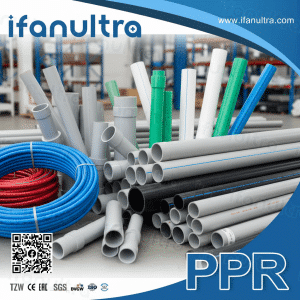
I once had a client who ordered PVC pipes for a hot water line because he thought “all plastic pipes are the same.” That costly mistake taught me the importance of understanding ASTM standards.
Yes, there are specific ASTM standards for each major type of plastic pipe. ASTM International assigns unique standard designations to different pipe materials—like ASTM D1785 for PVC, ASTM F441 for CPVC, ASTM F876 for PEX, and ASTM D3035 for PE—each defining the material properties, dimensions, and performance requirements for that specific pipe type.
Let’s explore how these standards work and why they matter for your procurement decisions.
Which ASTM Standard Governs PVC, CPVC, PEX, and PE Piping Materials?
I often see procurement documents listing just “PVC pipe” without the ASTM number. This lack of detail leads to confusion and wrong deliveries.
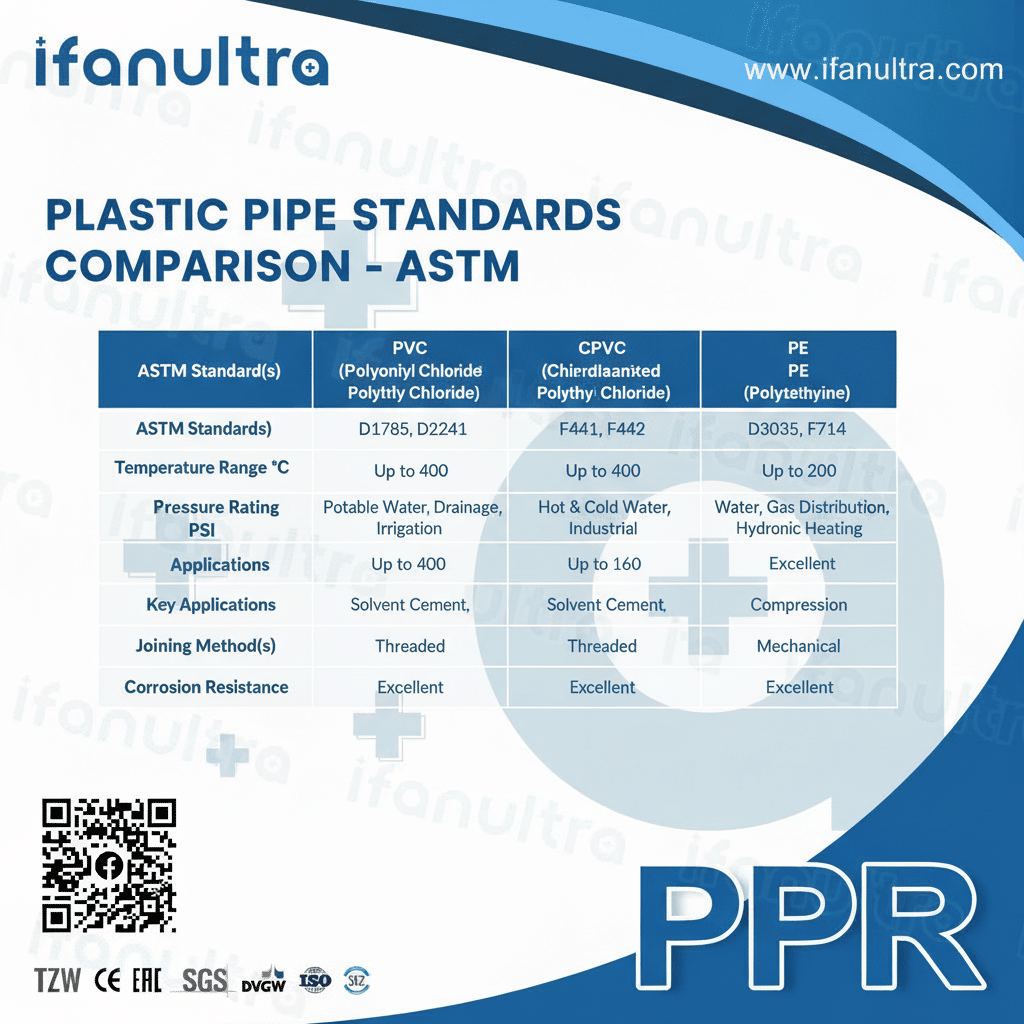
PVC pipes follow ASTM D1785 for pressure applications and ASTM D2665 for DWV (drain-waste-vent) systems. CPVC pipes use ASTM F441 for schedule 40 and 80. PEX pipes fall under ASTM F876 for tubing and ASTM F877 for fittings and systems. PE pipes for pressure use ASTM D3035, while ASTM F714 covers larger diameter PE pipes.
Breaking Down the Standards by Material
Each plastic pipe material has its own set of ASTM standards. These documents cover everything from raw material composition to finished product testing. Understanding which standard applies to your project is the first step in proper specification.
PVC (Polyvinyl Chloride) Standards:
PVC is one of the most common piping materials, but it comes in different types for different uses.
- ASTM D1785: This is the standard for PVC pressure pipe. It covers Schedule 40, 80, and 120 pipes used for water distribution and other pressurized systems.
- ASTM D2665: This covers PVC DWV pipe and fittings for drain, waste, and vent applications where pressure is not a factor.
- ASTM D2241: This applies to PVC pressure pipe made from specified PVC compounds, often used for water mains and irrigation.
CPVC (Chlorinated Polyvinyl Chloride) Standards:
CPVC can handle higher temperatures than standard PVC, making it suitable for hot water lines.
- ASTM F441: This is the standard for CPVC pressure pipe in Schedule 40 and 80. It defines the material requirements and performance for hot and cold water distribution.
- ASTM D2846: This specifically covers CPVC plastic hot and cold water distribution systems, including fittings.
PEX (Crosslinked Polyethylene) Standards:
PEX has become popular for residential plumbing due to its flexibility and resistance to scale and chlorine.
- ASTM F876: This is the primary standard for PEX tubing. It defines the material, dimensions, and pressure ratings.
- ASTM F877: This covers complete PEX plumbing systems, including tubing and fittings, ensuring they work together properly.
- ASTM F2023: This tests PEX tubing for resistance to chlorine, which is critical for long-term performance in potable water.
PE (Polyethylene) Standards:
PE pipes are widely used for water service lines, natural gas distribution, and industrial applications.
- ASTM D3035: This covers PE pressure pipe based on controlled outside diameter. It’s common for water service lines.
- ASTM F714: This applies to larger diameter PE pipes, typically over 12 inches, made for pressure applications.
- ASTM D2239: This covers PE pipe based on controlled inside diameter, often used for irrigation and certain industrial applications.
Summary Table of Key ASTM Standards
| Pipe Material | Standard Designation | Application |
|---|---|---|
| PVC | ASTM D1785 | Pressure pipe (Schedule 40, 80, 120) |
| PVC | ASTM D2665 | DWV (drain, waste, vent) systems |
| PVC | ASTM D2241 | Pressure pipe (water mains, irrigation) |
| CPVC | ASTM F441 | Pressure pipe (Schedule 40, 80, hot water) |
| CPVC | ASTM D2846 | Hot and cold water distribution systems |
| PEX | ASTM F876 | PEX tubing for plumbing |
| PEX | ASTM F877 | Complete PEX systems (tube and fittings) |
| PE | ASTM D3035 | Pressure pipe (controlled OD, water service) |
| PE | ASTM F714 | Large diameter pressure pipe |
| PE | ASTM D2239 | Pressure pipe (controlled ID, irrigation) |
When you specify a pipe, always include the full ASTM designation. For example, don’t just write “PVC pipe.” Write “PVC pipe, ASTM D1785, Schedule 40.” This level of detail ensures suppliers know exactly what you need.
How Do ASTM Standards Define Dimensions, Properties, and Test Methods?
A standard isn’t just a name. It’s a complete technical document that tells manufacturers exactly how to make the pipe and how to verify it meets requirements.
ASTM standards define three main categories of requirements: 1) Dimensional specifications like outside diameter, wall thickness, and length tolerances. 2) Physical and mechanical properties like tensile strength, pressure rating, and temperature limits. 3) Standardized test methods that manufacturers must follow to prove their products meet these requirements.
Dimensional Requirements
Every ASTM pipe standard includes detailed tables of dimensions. These tables ensure that pipes from different manufacturers are interchangeable.
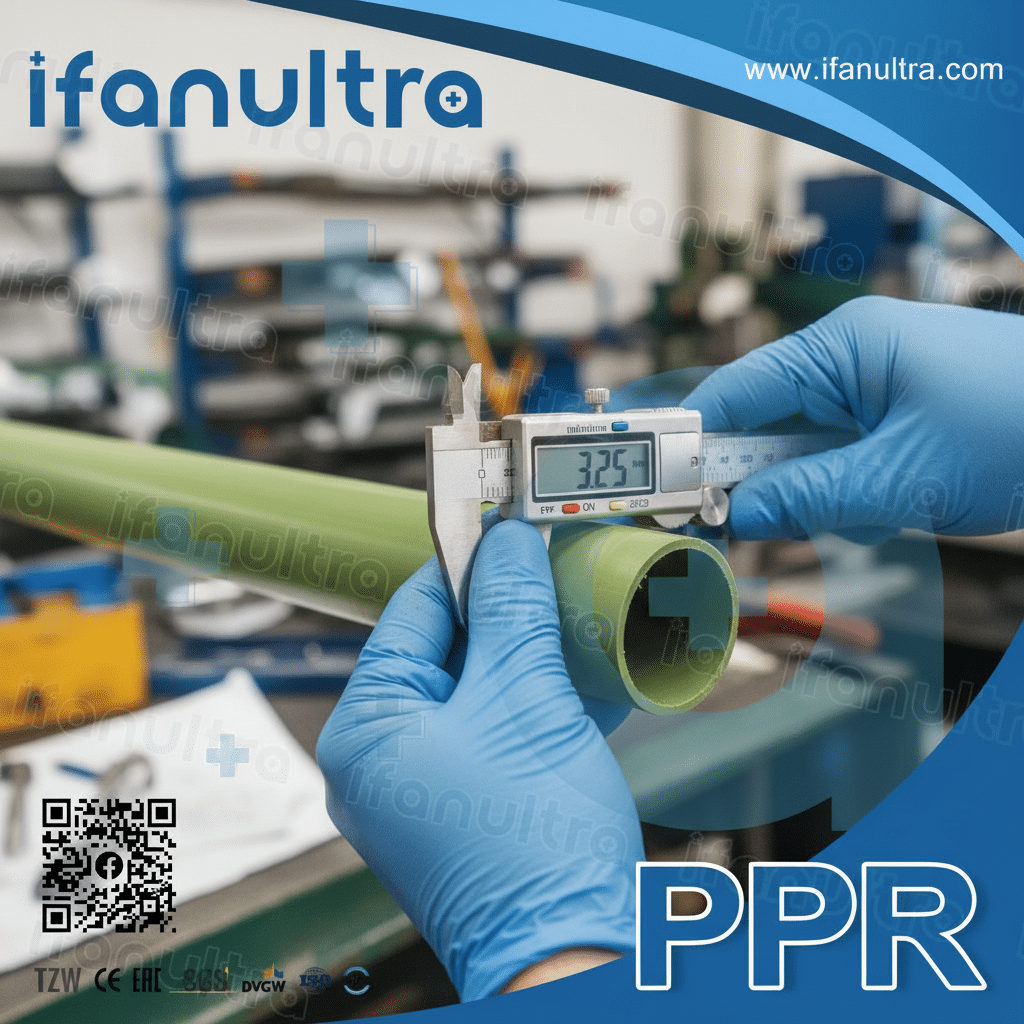
Outside Diameter (OD): The standard specifies the exact OD for each nominal pipe size. For example, a 1-inch Schedule 40 PVC pipe under ASTM D1785 has a specific OD that all manufacturers must match. This ensures fittings fit properly regardless of the pipe brand.
Wall Thickness: The standard defines minimum wall thickness for each schedule. Schedule 40 has one thickness, Schedule 80 has a thicker wall for higher pressure ratings. These measurements determine the pipe’s pressure capacity.
Tolerance Ranges: No manufacturing process is perfect, so standards allow small variations. ASTM standards specify acceptable plus-or-minus ranges for all dimensions. A pipe that falls outside these ranges fails to meet the standard.
Length: Standards also cover pipe lengths, typically 20 feet for rigid plastic pipes, with acceptable tolerances.
Physical and Mechanical Properties
ASTM standards establish the performance characteristics a pipe must achieve.
Pressure Rating: This is perhaps the most critical property. The standard defines how to calculate the pipe’s maximum working pressure based on material strength, wall thickness, and diameter. For example, ASTM D1785 includes pressure ratings for each size and schedule of PVC pipe.
Tensile Strength: The pipe material must meet minimum tensile strength requirements. This ensures the pipe can withstand installation stresses and ground movement without failing.
Impact Resistance: Standards include impact testing to ensure pipes don’t crack or break when dropped or struck during installation.
Temperature Limits: For materials like CPVC that handle hot water, the standard defines maximum operating temperatures and how pressure ratings decrease at higher temperatures.
Hydrostatic Burst Pressure: This test confirms the pipe can withstand internal pressure well above its rated working pressure.
Standardized Test Methods
ASTM standards don’t just say “the pipe must be strong.” They specify exactly how to test it.
| Test Type | What It Measures | Common ASTM Test Method |
|---|---|---|
| Hydrostatic Pressure | Burst strength and long-term pressure capacity | ASTM D1598, ASTM D1599 |
| Tensile Properties | Strength and elongation of the material | ASTM D638 |
| Impact Resistance | Resistance to sudden force | ASTM D2444 |
| Dimensions | OD, wall thickness, ovality | ASTM D2122 |
| Extractables | Chemicals that might leach into water | ASTM D2042 |
These standardized tests allow you to compare products from different manufacturers objectively. If a pipe meets ASTM D1785, you know it passed the same tests as every other pipe bearing that designation.
Why Test Methods Matter
When we source pipes for clients at IFAN, we always request test reports. A manufacturer may claim their pipe meets ASTM standards, but without test data, that claim is just words. The test methods in the standards give us a way to verify performance.
For example, ASTM D1598 tests long-term hydrostatic strength by pressurizing pipes at elevated temperatures for thousands of hours. This data predicts how the pipe will perform after 50 years of service. A manufacturer who skips this test can’t truly guarantee their pipe’s longevity.
Why Is Specifying the Correct ASTM Standard Essential for Procurement?
I’ve seen purchase orders fail because they lacked proper ASTM references. The wrong pipe arriving on site causes project delays and cost overruns.
Specifying the correct ASTM standard is essential because it ensures you receive the right product for your application. It creates a legally enforceable quality requirement in your purchase contract. It allows you to compare bids fairly across different suppliers. And it protects you from receiving non-conforming or counterfeit products that could fail in service.
Legal Protection and Quality Assurance
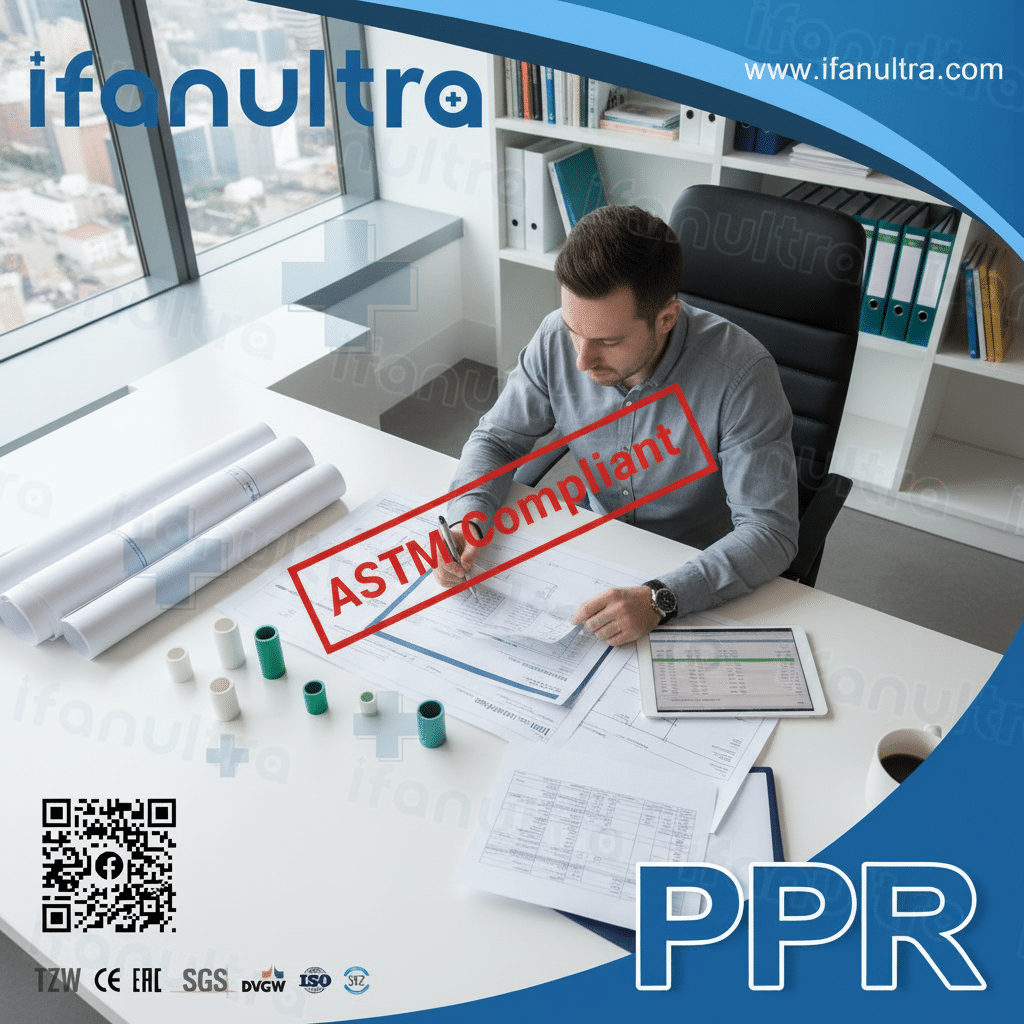
When you include an ASTM standard in your purchase order, you create a clear quality requirement. The supplier must deliver products that meet that standard. If they don’t, they have breached the contract.
This protects you in several ways:
Clear Acceptance Criteria: You and your supplier agree on what “good” means. There is no room for argument about whether a pipe is acceptable. Either it meets ASTM D1785 or it doesn’t.
Legal Recourse: If substandard pipes arrive and cause project delays or failures, you have documented proof of what you ordered. This strengthens your position for claims or disputes.
Third-Party Verification: You can hire an independent testing lab to verify compliance. The lab follows the same ASTM test methods, giving you objective evidence.
Fair Bid Comparison
When you specify ASTM standards, all suppliers bid on the same product. A supplier offering cheaper, non-standard pipes cannot underbid compliant suppliers because their product doesn’t meet your requirements.
Without ASTM specifications, you might receive bids for:
- A reputable brand’s ASTM-compliant pipe at $100
- An unknown brand’s “equivalent” pipe at $70
Without the ASTM requirement, the $70 bid might win. But what did you actually buy? The pipe might have thinner walls, lower pressure rating, or inferior material. The savings disappear when the pipe fails.
With ASTM specified, all bids must be for compliant products. You compare price on an equal basis.
Preventing Common Procurement Problems
Based on our experience at IFAN, here are problems we’ve seen from missing or incorrect ASTM specifications:
Problem 1: Wrong Material Grade
A client ordered “PVC pipe” for a chemical line. They received standard PVC, which failed when exposed to the chemicals. The correct specification would have been PVC with specific chemical resistance, defined by the appropriate ASTM standard.
Problem 2: Incorrect Pressure Rating
A contractor ordered Schedule 40 pipe for a high-pressure application, assuming all Schedule 40 pipe has the same pressure rating. But different ASTM standards for the same schedule can have different pressure ratings. The pipe failed during testing.
Problem 3: Dimensional Mismatch
A buyer specified “1-inch PEX” without the ASTM number. The supplier sent PEX with a different dimensional standard that didn’t fit the client’s fittings. The entire shipment had to be returned.
Problem 4: Counterfeit Products
Some suppliers label non-compliant pipes with false ASTM claims. Without specifying the standard in your contract, you have less ability to reject these products when they arrive.
Practical Procurement Checklist
When writing pipe specifications, include:
- [ ] Material type (PVC, CPVC, PEX, PE)
- [ ] Complete ASTM designation (e.g., ASTM D1785, not just “ASTM”)
- [ ] Schedule or dimension series (Schedule 40, Schedule 80, SDR rating)
- [ ] Nominal pipe size
- [ ] Any special requirements (UV resistance, color, certification marks)
- [ ] Request for test reports or certification documents
How Can You Verify a Product Meets Its Claimed ASTM Designation?
A supplier’s word is not enough. We’ve learned to verify claims through systematic checks.
You can verify ASTM compliance through multiple methods: 1) Visual inspection for mandatory markings on the pipe. 2) Reviewing mill test reports and certificates of analysis. 3) Performing basic dimensional checks using the standard’s tables. 4) Engaging third-party laboratories for independent testing. 5) Checking manufacturer listings in ASTM’s certification programs.
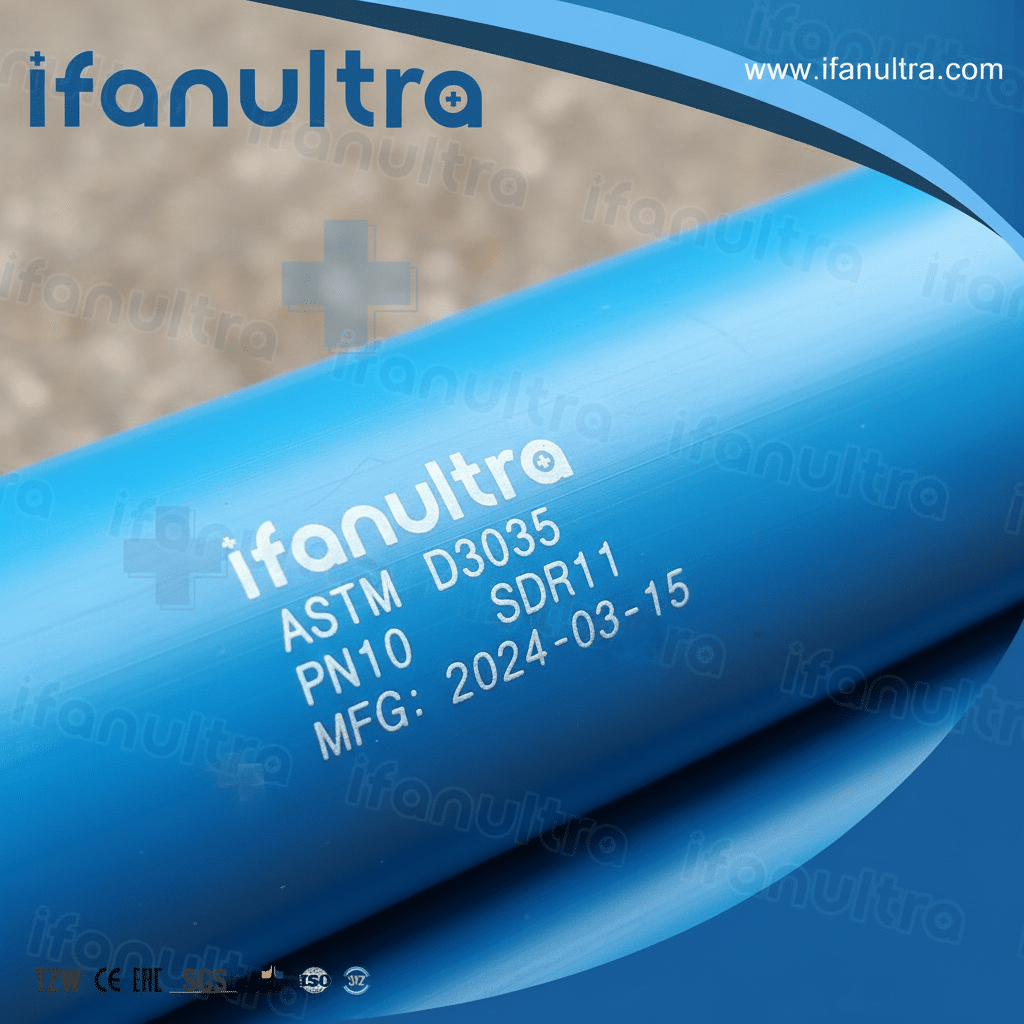
Method 1: Check Pipe Markings
ASTM standards typically require pipes to be marked at regular intervals. These markings are your first line of verification.
Look for:
- Manufacturer’s name or trademark: Identifies who made the pipe
- ASTM designation: The specific standard the pipe meets
- Pipe size and schedule: Confirms the product matches your order
- Pressure rating: Often printed directly on the pipe
- Material code: Identifies the specific compound used
- Production date or lot number: Allows traceability
A pipe marked “ASTM D1785 SCH 40 1″ PVC” provides immediate visual confirmation. If the markings are missing or unclear, this raises a red flag.
Method 2: Review Documentation
Reputable suppliers provide documentation with every shipment.
Mill Test Reports (MTRs): These documents show actual test results from the manufacturer. They should include:
- Batch or lot identification
- Test dates and methods used
- Results for key properties (tensile strength, impact resistance, dimensions)
- Certification that the product meets the ASTM standard
Certificates of Analysis (COAs): For material properties, COAs confirm the raw material compound meets requirements.
Third-Party Certifications: Some manufacturers participate in independent certification programs. Look for marks from UL, NSF, or other accredited labs that verify ASTM compliance.
Method 3: Perform Basic Dimensional Checks
You can verify some requirements with simple tools.
Outside Diameter: Use a caliper or pi tape to measure the OD. Compare to the table in the ASTM standard. For a 1-inch Schedule 40 PVC pipe, ASTM D1785 specifies an exact OD. If your measurement falls outside the tolerance, the pipe doesn’t meet the standard.
Wall Thickness: Measure the wall thickness at several points around the circumference. The standard defines minimum wall thickness. Areas below this minimum fail.
Length: Check that pipe lengths meet the ordered specification, typically 20 feet with acceptable tolerance.
Visual Inspection: Look for surface defects, bubbles, cracks, or inconsistent color. While not a definitive test, poor appearance often indicates poor quality.
Method 4: Independent Laboratory Testing
For critical applications or when you doubt a supplier, independent testing provides certainty.
Select an Accredited Lab: Choose a laboratory accredited to perform ASTM test methods.
Specify the Tests: Based on the ASTM standard, select the key tests for your application. For pressure pipe, hydrostatic testing is essential. For potable water, extractables testing may be required.
Sample Properly: Take random samples from the shipment. The lab can advise on sample size and preparation.
Review the Report: The lab provides a detailed report showing test methods, results, and comparison to ASTM requirements. This document provides definitive proof of compliance or non-compliance.
Verification Summary Table
| Verification Method | What It Confirms | When to Use |
|---|---|---|
| Pipe Markings | Manufacturer identity, ASTM claim, size | Every shipment, upon arrival |
| Mill Test Reports | Actual test results from production | Routine quality assurance |
| Dimensional Checks | Physical dimensions match standard | Spot checks during receiving |
| Third-Party Testing | Full compliance verification | Critical projects, disputed shipments |
Our Approach at IFAN
At IFAN, we verify every product before it ships to our clients. Our process includes:
- Factory audits: We verify manufacturers have the equipment and processes to produce to ASTM standards.
- Documentation review: We collect and check mill test reports for every production batch.
- Pre-shipment inspection: Our QC team measures dimensions and visually inspects all products.
- Sample testing: For new suppliers or critical orders, we send samples to independent labs.
This systematic approach has caught non-compliant products before they reached our clients, saving time, money, and headaches.
Conclusion
ASTM standards provide the foundation for reliable plastic pipe procurement. For certified PVC, CPVC, PEX, and PE pipes that meet all relevant ASTM standards, choose IFAN as your trusted supply chain partner.









 English
 Español
 Français
 Português do Brasil